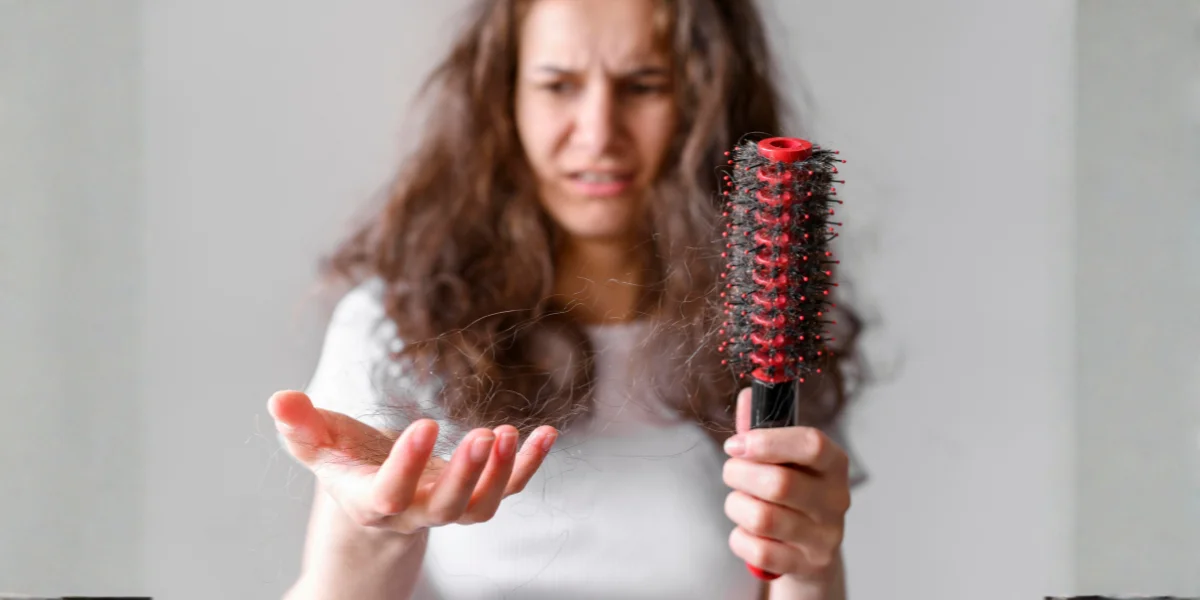
Hair Straightening Techniques

Mastering Hair Straightening Techniques is the secret to transforming your daily look and managing unruly textures effectively. Whether you are looking to showcase a precision stylish haircut, such as a blunt bob, or simply want to reduce morning frizz, selecting the right technique is essential. From temporary heat styling to more permanent solutions, these methods create a smooth, glossy canvas that serves as the perfect foundation for various trendy hair styles. It is not just about flattening the cuticle; it is about unlocking versatility and confidence in your appearance through expert styling, ensuring your hair looks polished and intentional every day.

Hair Straightening Procedures

Navigating professional Hair Straightening Procedures can feel overwhelming given the variety of chemical options available today. When you visit a professional hair salon, you will find specialized treatments ranging from Japanese thermal reconditioning to keratin smoothing services. These procedures chemically alter or smooth the hair’s structure to ensure longevity, making them ideal for managing dense curls or humidity-induced frizz. They provide the perfect base for sophisticated hair styles for ladies who desire a sleek, low-maintenance aesthetic for both the workplace and evening events. Always consult with a certified stylist to choose a procedure that maintains your hair’s integrity while delivering results.

Straighten Hair

When you choose to Straighten Hair at home using hot tools, you are not limited to just pin-straight looks. Modern flat irons allow for incredible versatility, and learning advanced hair straightener curling techniques can add volume, texture, and soft waves to your style to prevent it from looking too flat. Using high-quality ceramic or titanium plates ensures even heat distribution, which effectively smooths the cuticle for maximum shine. However, the key to successfully straightening hair lies in preparation; always dry your hair completely to avoid damage. With the right approach, your flat iron becomes a multi-purpose tool for creating dynamic looks.

Hair Straightening Care Tips

Maintaining the integrity of your locks requires strict adherence to Hair Straightening Care Tips, especially after exposing your strands to high heat or harsh chemicals. Straightened hair is more susceptible to dryness and breakage, so hydration is non-negotiable to keep the shine alive. You must incorporate a regimen of deep conditioning masks and use oils to replenish moisture lost during styling. Additionally, regular trims are vital to keep ends looking blunt and healthy. Following these dedicated care tips ensures your style remains glossy, elastic, and free from damage, allowing you to enjoy your sleek look without compromising hair health.
Types of Hair Straightening Methods
There are several distinct Types of Hair Straightening Methods available, categorized broadly into thermal, chemical, and heat-free options. While chemical relaxers and thermal flat ironing are popular for instant, dramatic results, many people are turning to natural hair straightening techniques to preserve hair health. Methods like hair wrapping (“the toga”) or using jumbo rollers stretch the curl pattern gently without damaging the disulfide bonds. Understanding these different types helps you balance your aesthetic goals with your hair’s condition. Whether you want the permanence of rebonding or the gentle touch of natural styling, there is a method suited for every lifestyle.
hair straightening techniques, stylish haircut, hair styles for ladies, trendy hair styles, hair salon, natural hair straightening techniques, hair straightening procedures, hair straightener curling techniques, hair straightening care tips, hair straightening techniques, hair smoothing treatments, keratin treatment, flat iron styling, modern hairstyles, hair care tips, salon hair styling

Sleek and Chic: The Ultimate Guide to Hair Straightening Techniques and Care

Sleek and Chic: The Ultimate Guide to Hair Straightening Techniques and Care

There is something undeniably alluring about a sleek, glossy curtain of straight hair. While embracing natural textures, curls, and coils is a beautiful movement in the beauty world, the desire for versatility remains. Sometimes, you just want that “glass-hair” look, or perhaps you are looking for a way to make your morning routine more manageable.
Straight hair acts as a perfect canvas for a stylish haircut. Whether it is a sharp, blunt bob or long, flowing layers, straight strands can highlight the precision of a cut in a way that textured hair sometimes obscures. For many, straightening is the first step in achieving a variety of versatile hairstyles for ladies, transitioning effortlessly from a professional office look to a glamorous evening vibe.
However, navigating the terminology, from ceramic plates to disulfide bonds, can be overwhelming. In this guide, we will explore the full spectrum of hair straightening procedures, ranging from temporary heat styling and natural hair straightening techniques to permanent chemical retexturizing. We will also cover essential hair straightening care tips and styling tricks to help you decide which type of hair straightening method is best for your lifestyle.

1. Temporary Techniques:

The Daily Fix

Temporary methods are the most common way to straighten hair. These techniques rely on heat to temporarily break the hydrogen bonds in the hair shaft. Once the hair gets wet or humid, these bonds reset, and your natural texture returns.

The Classic Blowout

The blow-dryer is the foundational tool of hair styling. A professional blowout doesn’t just dry the hair; it smoothes the cuticle to create shine.
The Technique:
This requires a powerful hair dryer with a nozzle attachment (concentrator) and a round brush. By pulling the hair taut and directing the airflow downward, you smooth the cuticle flat.
Best For:
Volume and movement. Unlike flat irons, a blowout leaves body in the hair, making it ideal for creating trendy hair styles like the “90s Supermodel Blowout.”

Flat Ironing (Thermal Straightening)

The flat iron is the holy grail of DIY straightening. However, the success of this technique depends heavily on the material of the plates (Ceramic, Titanium, or Tourmaline).

Pro Tip: Hair Straightener Curling Techniques

Many people view the flat iron as a one-trick pony, but it is actually a multitasking tool. Mastering hair straightener curling techniques allows you to create texture if you get bored with the pin-straight look. By clamping the hair and twisting the iron 180 degrees away from your face as you pull down, you can create “S” waves or beachy curls. This versatility ensures your stylish haircut never looks stale.

2. Semi-Permanent Techniques: The Smoothing Solution

If you are tired of straightening your hair every morning but aren’t ready to permanently alter your hair’s structure, semi-permanent treatments are the middle ground. These usually fade out over 3 to 5 months and are best performed at a professional hair salon.

Keratin Treatments (The Brazilian Blowout)

Perhaps the most famous buzzword in straightening, Keratin treatments are actually smoothing treatments.
The Science:
Hair is made of keratin protein. Over time, hair develops gaps in its structure due to damage. This treatment fills those gaps with liquid keratin and seals it with heat.
The Result:
It reduces frizz by about 90-95% and significantly cuts down blow-drying time. It is one of the most requested services in a hair salon for those battling humidity.

Cysteine Treatment

Known as the “gentler cousin” of Keratin, Cysteine penetrates the hair shaft to condition and smooth without the use of harsh chemicals. It is ideal for those with fine or damaged hair who want to reduce frizz but are afraid of compromising their hair health.

3. Permanent Techniques: The Chemical Change

hair straightening techniques, stylish haircut, hair styles for ladies, trendy hair styles, hair salon, natural hair straightening techniques, hair straightening procedures, hair straightener curling techniques, hair straightening care tips, hair straightening techniques, hair smoothing treatments, keratin treatment, flat iron styling, modern hairstyles, hair care tips, salon hair styling
Permanent straightening is a serious commitment. These hair straightening procedures involve chemicals that break the disulfide bonds in the hair and reset them in a straight configuration.

Japanese Straightening (Thermal Reconditioning)

Popularized in the early 2000s, this method creates pin-straight, flat hair.
The Process:
A chemical solution breaks the bonds, the hair is ironed pin-straight, and a neutralizer locks it in place.
The Look:
Stick-straight, glossy, and heavy. It is perfect for showcasing geometric hairstyles for ladies who prefer a sharp, modern aesthetic.
The Risk:
You cannot curl your hair afterward; it won’t hold. The “grow-out” phase can also be awkward, resulting in a distinct line between curly roots and straight ends.

Chemical Relaxers

Relaxers have been a staple in the Afro-textured hair community for decades. They use high-pH chemicals to permanently straighten coily hair. While effective, relaxers weaken the hair significantly. Professional application at a hair salon is highly recommended to avoid chemical burns and breakage.

4. Natural Hair Straightening Techniques

For those who want to avoid heat and chemicals entirely, natural hair straightening techniques exist. While they won’t turn tight coils into silk sheets, they can stretch waves and reduce volume without damage.

Hair Wrapping (The Toga)

This is an old-school technique. After washing and conditioning, the hair is combed flat around the circumference of the head, essentially using the head as a giant roller. The hair is pinned in place and wrapped in a silk scarf to dry overnight. This results in a smooth finish with volume and a slight bend at the ends.

DIY Masks and Oil Treatments

Certain ingredients can weigh the hair down and smooth the cuticle naturally.
Coconut Milk and Lime Juice:
This mixture is believed to loosen the curl pattern slightly due to the conditioning weight of the fats and the acidity of the lime.
Hot Oil Treatments:
applying warm castor or olive oil can help relax the hair shaft, making it heavier and straighter, though this is more about frizz reduction than true straightening.

5. Top Hair Straightening Care Tips

hair straightening techniques, stylish haircut, hair styles for ladies, trendy hair styles, hair salon, natural hair straightening techniques, hair straightening procedures, hair straightener curling techniques, hair straightening care tips, hair straightening techniques, hair smoothing treatments, keratin treatment, flat iron styling, modern hairstyles, hair care tips, salon hair styling
Regardless of which method you choose, the integrity of your hair is paramount. Straight hair reflects light better than curly hair, which is why we associate it with “shine.” However, if the hair is damaged, the shine disappears. Here are essential hair straightening care tips to maintain your look:
1. Heat Protection is Non-Negotiable:
If you use hot tools, a silicone-based heat protectant spray acts as a barrier, absorbing the thermal shock.
2. Moisture Balance:
Straightening (especially chemical procedures) dries out the hair. Weekly deep conditioning masks rich in oils (argan, coconut, jojoba) and proteins are necessary to maintain elasticity.
3. Trimming:
Straight hair shows split ends much more clearly than curly hair. To keep your stylish haircut looking fresh, schedule regular trims every 6 to 8 weeks.
4. Silk Pillowcases:
Cotton absorbs moisture and causes friction. Sleeping on silk or satin preserves your straight style and prevents “bed head.”
5. Sulfate-Free Shampoos:
If you have had a chemical treatment like Keratin or Japanese straightening, sulfates will strip the chemicals out of your hair faster. Always use a gentle, color-safe shampoo.

6. Styling Your Straight Hair

Once you have achieved that sleek look, how do you style it? Straight hair offers a fantastic base for trendy hair styles.
The Blunt Bob:
A sharp, chin-length bob looks incredible on chemically straightened hair because the geometric lines remain crisp.
The Sleek Ponytail:
High or low, a ponytail on straightened hair looks sophisticated and professional. Use a toothbrush sprayed with hairspray to tame any flyaways at the hairline.
Glass Hair:
This trend involves cutting the hair to one length and applying a shine spray to make the hair look reflective like a mirror. It is the ultimate goal of many hair straightening procedures.

Conclusion

Choosing the right method depends on your hair type, your budget, and your tolerance for maintenance.
• Choose Temporary (Flat Iron) if you love your natural texture but want to switch it up occasionally. Remember to utilize hair straightener curling techniques for added variety.
• Choose Semi-Permanent (Keratin) if you are fighting frizz and want to cut your styling time in half.
• Choose Permanent (Japanese/Relaxers) if you are committed to straight hair 24/7 and are prepared to visit the hair salon regularly for root touch-ups.
• Choose Natural Hair Straightening Techniques if hair health is your absolute priority and you prefer a softer, less structured look.
Hair is a crowning glory and a form of self-expression. Whether you opt for the temporary sizzle of a ceramic iron or the long-term sleekness of thermal reconditioning, understanding the science and care behind these techniques ensures that your hair stays not just straight, but strong and healthy. By following these hair straightening care tips, you can enjoy your sleek look without compromising the vitality of your luscious locks.

FAQ's

A hair straightening treatment is a chemical or thermal process designed to smooth the hair cuticle and alter its structure. It flattens curls or waves to create a sleek, frizz-free, and shiny appearance.

You can visit a hair salon for permanent chemical procedures like Japanese straightening or relaxers. Alternatively, for temporary results, apply a heat protectant spray and use a high-quality ceramic or titanium flat iron at home.

The “best” method depends on your hair goals. Keratin treatments are ideal for frizz reduction while maintaining volume, whereas Japanese straightening is superior for achieving permanent, pin-straight strands on thick, curly hair types.

There isn’t just one specific name. Common permanent treatments are called Japanese Thermal Reconditioning, Rebonding, or Chemical Relaxers. Popular semi-permanent smoothing options are widely known as Keratin Treatments or Brazilian Blowouts.

First, wash and completely dry your hair. Apply a heat protectant. Section hair into small layers. Clamp a flat iron at the root, gliding slowly down to the ends. Finish with a lightweight serum.

For minimal damage, temporary flat ironing or natural wrapping techniques are best. For long-lasting sleekness, permanent rebonding is effective. However, Keratin treatments are often preferred for a healthier finish that retains some natural movement.

Permanent straightening treats new growth only. You should generally wait 4 to 6 months between appointments. Overlapping chemicals on previously treated hair causes severe breakage, so strictly target the roots during touch-ups.