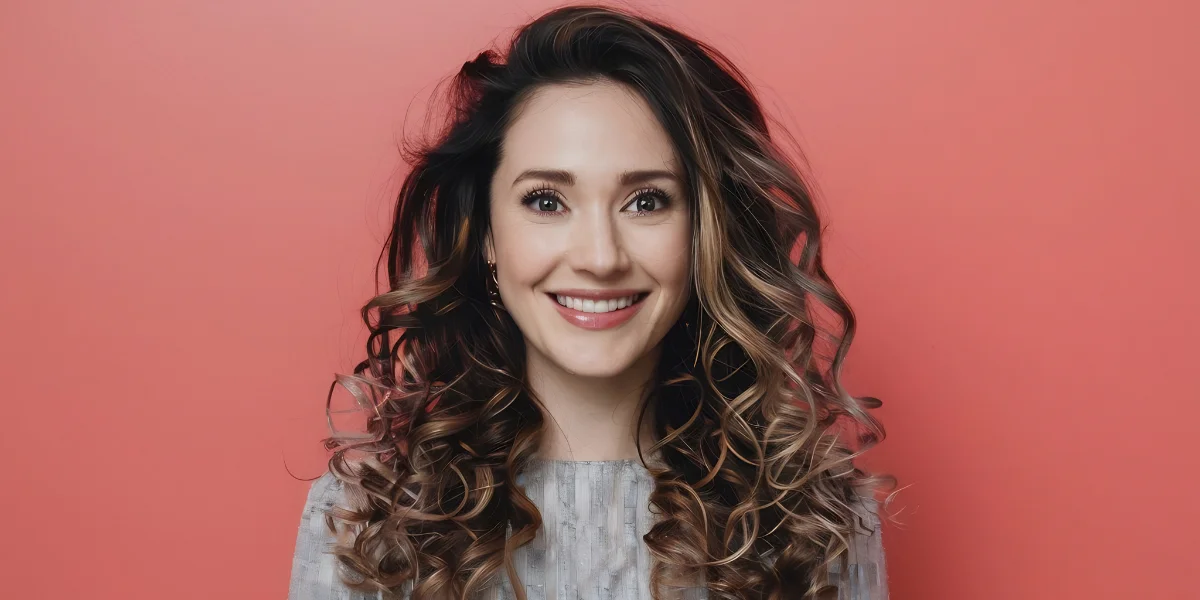

When it comes to curly hair styling, understanding your curl types is the first step toward embracing the natural beauty of your locks. Each curl type requires its own approach, whether you’re working with loose waves or tight coils, and the right curly hair styling products can make a world of difference in achieving definition, bounce, and shine. Many people believe that managing curls is complicated, but with the right routine, you can create a curly hair hairstyle that feels effortless while still looking polished. From hydrating creams to lightweight gels, these products help tame frizz and enhance natural patterns, giving you versatility in your look. If you prefer a low-maintenance approach, there are plenty of easy hairstyles for naturally curly hair such as messy buns, half-up twists, or defined wash-and-go styles that highlight the natural curl structure without demanding too much time. Curls are naturally expressive, and experimenting with styles not only enhances your personal look but also helps you feel confident in your natural texture. With proper care, styling becomes a creative process where you can switch between playful, elegant, or professional looks, making curly hair one of the most versatile hair types to work with.
Exploring different curl types is key to mastering curly hair styling, as every pattern has its own unique behaviour, from soft waves to tight spirals. To achieve beautiful results, the right curly hair styling techniques are essential, including finger-coiling, diffusing, or scrunching with hydrating products that help define and protect curls. For those who struggle with unruly strands, the right approach can transform hairstyles for curly frizzy hair into polished looks that hold shape throughout the day. One of the most flattering options is experimenting with layered haircuts for curly hair, which reduce bulk while enhancing movement, making curls look more defined and voluminous. People with natural long curly hair can benefit from protective styles and moisturizing products that reduce dryness and frizz, while shorter cuts bring out the natural springiness of curls. Styling curls is as much about care as creativity, and finding the right balance between hydration, definition, and control ensures every hairstyle feels authentic. When curls are treated with the right care, they become a canvas for endless styling opportunities, offering looks that range from casual and carefree to elegant and refined, reflecting both individuality and natural beauty.
Using the right curly hair styling products is essential for managing different curl types, whether you have loose waves, bouncy spirals, or tight coils. Each curl type benefits from a specific curly hair care routine, which should include moisturizing shampoos, nourishing conditioners, and curl-defining creams to maintain hydration and reduce frizz. For those with long curly hair, layered cuts and protective styles keep the curls defined without weighing them down, while short curly hair benefits from volumizing products that highlight the natural curl pattern and add bounce. Styling curls is not about forcing them into shape but enhancing their natural beauty with techniques that suit the hair’s unique texture. The right styling routine can bring out definition and softness, making curls easier to maintain throughout the day. Whether you prefer sleek and polished styles or natural and carefree looks, products like leave-in conditioners, lightweight gels, and curl-refresh sprays help maintain control while highlighting texture. By tailoring your routine to your curl type and length, you can enjoy versatile styles that feel both stylish and manageable, proving that curls, when cared for correctly, offer one of the most expressive and adaptable hair textures.
Mastering curly hair styling techniques begins with knowing your curl types, as each pattern responds differently to products and styling tools. One of the biggest challenges people face is unknowingly repeating common curly hair styling mistakes to avoid, such as brushing dry curls, skipping hydration, or using heavy products that weigh down the hair. These errors can lead to frizz, loss of definition, and even damage over time. For those with long curly hair with layers, proper styling ensures each section of hair retains its shape and movement without tangling or looking bulky. Visiting a professional hairdressing salon can also help in choosing the right haircut and treatments that keep curls healthy and manageable. Stylists often recommend diffusing instead of blow-drying, applying curl-enhancing creams, and finishing with lightweight oils to seal in moisture. Learning the right balance of care and technique transforms curls from unruly to radiant, making styling less of a challenge and more of an art. By avoiding common pitfalls and focusing on curl-friendly methods, curly hair becomes a source of confidence and beauty, capable of delivering stylish looks for both casual and formal occasions.
Building an effective curly hair care routine is essential for healthy and defined curls, as it forms the foundation for all types of curly hair styling. From hydrating shampoos to nourishing leave-ins, the products you choose directly affect how your curls look and feel. Along with this, practicing the right curly hair styling techniques ensures definition and reduces frizz, making your curls easier to manage. Many people with long curly hair with bangs struggle to balance volume and shape, but with proper layering and lightweight products, the style can frame the face beautifully while still enhancing the natural curl pattern. For those with wavy curly hair short, styling often involves techniques that add texture and bounce without creating excess volume, giving the hair a playful yet manageable look. Taking time to moisturize, detangle gently, and use curl-enhancing products allows curls to maintain their structure while staying soft and healthy. A consistent routine combined with thoughtful styling makes it easier to embrace your natural texture, proving that curls are not difficult to manage but rather versatile and expressive when given the right attention and care.
Recognizing curly hair styling mistakes to avoid is the first step toward achieving healthier and more defined curls, as small errors can make a big difference in results. Using the wrong curly hair styling products, for example, can leave hair weighed down or overly frizzy, while neglecting a proper curly hair care routine often leads to dryness and breakage. Understanding the different types of curly hair is also crucial, since each texture has unique needs that require specific methods and products. For looser waves, lightweight creams and gels help create definition, while tighter coils benefit from richer butters and oils to lock in moisture. Visiting a hair salon for curly hair can also be beneficial, as professional stylists know how to cut and treat curls to enhance their natural beauty. Avoiding mistakes such as brushing curls when dry, skipping deep conditioning or using harsh heat tools ensures that your curls stay healthy and vibrant. With the right care, curls can transform into effortlessly stylish looks that showcase their natural pattern, giving you confidence and versatility in every hairstyle.

Unlock Your Best Curls: A Comprehensive Guide to Curly Hair Styling
Unlock Your Best Curls: A Comprehensive Guide to Curly Hair Styling
Understanding Your Curl Type

Essential Products for Curly Hair Styling
Curly Hair Styling Techniques: Step-by-Step Guides+
Tips for Maintaining Healthy and Defined Curls
Common Curly Hair Styling Mistakes to Avoid
Conclusion
FAQ's
The longevity of a curly hairstyle depends on several factors, including your hair type, styling products used, and daily activities. A well-defined curly style can last anywhere from 2-7 days with proper maintenance. Protecting your curls at night with a silk scarf or bonnet and refreshing them with a curl refresher spray can help extend the life of your style. Avoid excessive touching, which can cause frizz and definition loss.
Absolutely! Curly hair is always in style! Embracing your natural texture is a major trend, and curly hair is celebrated for its unique beauty and versatility. Whether you prefer defined curls, loose waves, or voluminous coils, there are countless ways to style and showcase your natural texture. The key is to find a routine that works for your specific curl type and allows you to feel confident and beautiful.
Attractiveness is subjective, but curly hair is widely considered to be very attractive. Many people find the texture, volume, and unique patterns of curly hair visually appealing. Curly hair can also convey a sense of confidence, individuality, and natural beauty. Ultimately, the most attractive hairstyle is one that makes you feel good about yourself.
Yes, curly hair can be straightened permanently through chemical treatments like thermal reconditioning or keratin treatments. However, it’s important to understand that these treatments can alter the hair’s structure and potentially damage it. The new hair growth will still be your natural curly texture, requiring regular touch-ups to maintain the straightened look. Consult with a professional stylist to determine if permanent straightening is right for you.
Curly hair is broadly classified into three main types: wavy (type 2), curly (type 3), and coily (type 4). Each type has subcategories (a, b, and c) that further define the curl pattern’s tightness and shape. This classification helps understand your hair’s characteristics and choose the right products and styling techniques.
Curly hair is incredibly versatile and suits a wide range of hairstyles! From long, flowing layers to short, textured bobs, the possibilities are endless. Consider your face shape, hair length, and personal style when choosing a hairstyle. Styles that enhance natural volume, encourage curl definition, and minimize frizz are generally flattering.
The “best” hairstyle for curly hair is subjective and depends on individual preferences and hair characteristics. Popular choices include layered cuts to enhance volume and movement, bobs to define curls, and updos to showcase texture. Protective styles like braids, twists, and buns are also great for promoting hair health and growth.
Curly hair typically needs to be cut every 3-6 months to remove split ends, maintain shape, and prevent excessive tangling. The frequency of haircuts depends on your hair’s growth rate, overall health, and desired style. Regular trims can also help improve curl definition and prevent breakage.
Curly hair generally benefits from frequent conditioning to maintain moisture and prevent dryness. Aim to condition your hair every time you wash it, which is typically 2-3 times a week. Deep conditioning treatments can be used once a week or bi-weekly to provide extra hydration and nourishment. Adjust the frequency based on your hair’s individual needs and moisture levels.