
Does Hair Coloring Damage Hair or Cause Hair Fall?
Does Hair Coloring Damage Hair or Cause Hair Fall?
The relationship between hair coloring damage hair loss and thinning is a major concern for those seeking a new look. While traditional dyes don’t typically cause permanent baldness—as they don’t usually reach the follicle deep beneath the scalp—they can lead to significant hair shedding through breakage. When the hair shaft is weakened by harsh chemicals, it becomes brittle and snaps off near the root, creating the appearance of thinning. Understanding the distinction between “shedding” from the root and “breakage” from chemical trauma is vital for anyone looking to maintain a full, healthy mane while experimenting with color.
To understand the risks, one must first look at how hair coloring works on a molecular level. Permanent dyes utilize an alkaline agent, usually ammonia, to swell the hair cuticle. This allows the developer (hydrogen peroxide) to penetrate the inner cortex and break down your natural melanin. Once the natural pigment is dispersed, new color molecules are deposited and oxidized, becoming trapped inside the hair shaft. This process fundamentally alters the protein structure of your hair, lifting the protective scales of the cuticle to ensure the pigment “sticks,” which inherently leaves the strand more vulnerable.
If you are wondering, “does hair coloring damage hair?” the short answer is yes, to varying degrees. The chemical process required to lift the cuticle and strip natural pigment inevitably saps moisture and depletes the hair’s natural oils. Over time, this leads to increased porosity, meaning your hair loses moisture as quickly as it absorbs it. While modern formulas include conditioning agents to mitigate this, the repetitive use of high-volume developers and bleach can lead to a “straw-like” texture, split ends, and a loss of the natural elasticity that keeps hair bouncy and resilient.
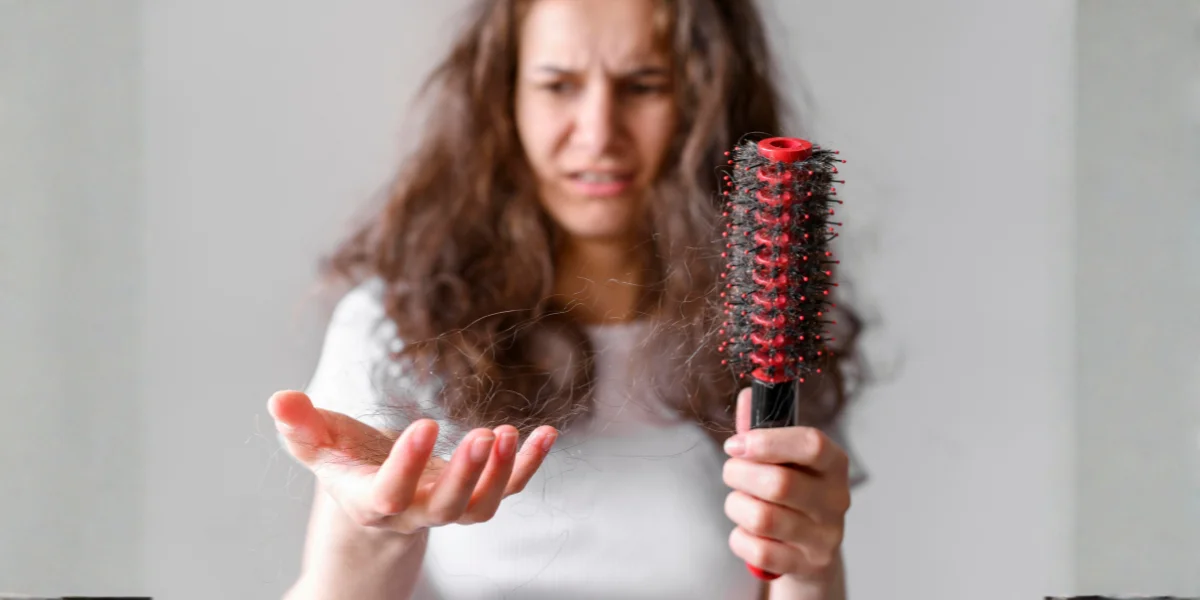
Can hair coloring cause hair loss? While it rarely causes “true” alopecia (hair falling out from the follicle), it is a leading cause of traumatic breakage. If the scalp is sensitive or if the dye is left on too long, chemical burns or contact dermatitis can occur, which can damage the follicle and lead to temporary thinning. Furthermore, the weight of the chemicals and the physical manipulation during the dyeing process can stress the roots. If you notice clumps of hair in the drain after a session, it is likely “chemical hair loss” due to the strands snapping.
Recognizing the warning signs your hair is over-processed is crucial for preventing total hair failure. If your hair feels “gummy” or stretchy when wet, the internal protein bonds are severely compromised. Other red flags include a complete lack of shine (dullness), hair that takes an unusually long time to dry, or a texture that feels rough and tangled even after using high-end conditioners. If your color fades almost immediately after a salon visit, your hair has likely become too porous to hold onto pigment, signaling that it’s time to take a break from the chemicals.
The link between hair damage and thinning is often a cycle of over-styling. When hair is chemically damaged, the diameter of individual strands can actually shrink as the cuticle is stripped away. This makes the overall ponytail feel thinner and less voluminous. Furthermore, damaged hair is more prone to tangling; the friction caused by trying to brush through these knots leads to more mechanical breakage. To combat this, focusing on protein-rich treatments and moisture-sealing oils can help reinforce the hair shaft, providing a thicker appearance and preventing the cycle of damage from progressing.
For many of us, a fresh pop of colour or a complete hair transformation is the ultimate confidence booster. Whether you’re covering greys, following the latest hair colour trends, going platinum blonde, or experimenting with bold shades, the chemical process has become a regular part of modern hair treatment routines. However, a common concern still arises while sitting in a hair salon for women: can hair colouring cause hair loss?
The Science: How Hair Coloring Works

Most permanent hair dyes involve two main chemicals:
Does Hair Coloring Damage Hair?

1. Dryness and Brittleness
2. Protein Loss
3. Reduced Elasticity
Can Hair Coloring Cause Hair Loss?

The Reality of Breakage
Can It Cause Actual Hair Fall?

1. Allergic Reactions
2. Chemical Burns
Comparing Dye Types and Their Impact
Dye Type | Impact on Hair | Risk of Breakage |
Temporary | Low | Negligible |
Semi-Permanent | Moderate | Low |
Permanent Dye | High | Moderate |
Bleach | Very High | High |
Warning Signs Your Hair is Over-Processed
How to Prevent Hair Damage and Thinning
1. Choose the Right Professional
2. Space Out Appointments
3. Follow a Hair Care Routine
4. Deep Conditioning is Essential
5. Manage Frizz Properly
Common Myths vs. Facts
Myth: Natural dyes are always safer
Myth: Coloring once causes hair fall
Myth: Expensive dyes don’t damage hair
Summary: Protecting Your Hair
FAQ's
It doesn’t physically shrink the diameter of the hair growing from your head, but the loss of protein and moisture can make individual strands feel “limp” and look thinner overall.
Since hair is technically “dead” tissue, it cannot truly “heal.” However, you can manage the damage with protein treatments until new, healthy hair grows in from the root.
Semi-permanent, ammonia-free dyes or “glosses” are the safest options, as they do not penetrate the hair shaft as deeply as permanent dyes.
Frequent hair colouring can weaken the hair shaft over time, especially without proper hair treatment or regular hair spa care. While the damage isn’t permanent to new hair growth, repeated chemical exposure can lead to long-term breakage.
Techniques like balayage or highlights cause less damage compared to full-head bleaching. Many modern hair colour trends focus on low-maintenance styles that minimize chemical exposure.
Yes, chemical treatments can make hair more porous, leading to dryness and frizz. That’s why following up with a proper hair treatment for frizzy hair is essential after colouring.
Common signs include dryness, split ends, lack of shine, and increased frizz. These can be managed with regular hair spa benefits and targeted care routines.